What Commercial Kitchen Inspections Reveal About Your Exhaust System
@commercialkitchennest
November 2, 2026 · 7 min read
The Real Story Behind the Inspection Report
I have spent enough time standing next to exhaust hoods with a flashlight and a scraper to know that a clean hood does not always mean a clean system. When a fire marshal or health inspector walks into a commercial kitchen, they are not just looking for grime on the cooking equipment. They are looking for evidence that the entire exhaust system can handle a grease fire without turning the building into an inferno. That is where commercial kitchen inspections separate the operations that understand fire safety from those that are just hoping for the best.
Early in my career, I worked as a kitchen exhaust cleaner for a company that serviced a dozen restaurants a night. We would arrive after closing, scrub the exhaust hood, scrape the ductwork, and leave before the breakfast crew showed up. The work was hard, but it taught me one thing clearly: the difference between a surface clean and a bare-metal clean is the difference between passing an inspection and facing a shutdown. The phrase "commercial kitchen inspections" carries weight because it forces owners and chefs to look past the food-prep counters and into the dark, greasy corners of their ventilation systems.
Why the Bare Metal Standard Exists
NFPA 96 is the standard that governs fire safety in commercial cooking environments. It is not a suggestion. It is the benchmark that fire marshals use when they walk into your kitchen. The bare metal standard is the part of NFPA 96 that requires all grease-laden vapors to be removed from the exhaust system so that no layer of grease remains on the interior surfaces of the hood, ductwork, or exhaust fan. If you can still see a brown film after cleaning, then the cleaning is not finished.
I have seen kitchens that looked spotless from the front of the house but had ductwork packed with years of baked-on grease. That grease is fuel. A spark from an exhaust fan motor or a hot cooking surface can ignite it. When that happens, the fire suppression system is your last line of defense, but a dirty exhaust system can overwhelm even a properly maintained fire suppression system. That is why commercial kitchen inspections focus so heavily on the condition of the exhaust system. They are not trying to be petty. They are trying to stop a restaurant fire before it starts.

What Inspectors Actually Check
When I accompany clients during inspections, I watch what the inspector touches. They will run a gloved finger along the inside of the exhaust hood. They will look at the hood filter alignment and check for gaps where grease can bypass the filter and travel into the ductwork. They will climb onto the roof to inspect the exhaust fan and verify that the fan is turning freely and that the ductwork has no visible holes or rust spots.
Key points inspectors verify:
- Grease buildup thickness inside the ductwork and hood. Anything beyond a thin film is a violation.
- Condition and fit of hood filters. Missing or damaged filters allow grease to travel deeper into the system.
- Operation of the fire suppression system, including the UL 300 listed agent and the K-class fire extinguisher mounted nearby.
- Cleanliness of the grease trap and any visible signs of leaking or overflow.
- Documentation of the last kitchen exhaust cleaning. They want to see logs that prove regular maintenance.
I once watched an inspector shut down a busy diner because the exhaust fan blades were coated with a quarter-inch of hardened grease. The owner had been skipping cleanings for months to save money. That one decision cost him three days of revenue and a fine that erased any savings. A thorough kitchen exhaust cleaning every three to six months, depending on volume, would have kept him compliant.
The Connection Between Cleaning and Compliance
Fire code compliance is not a one-time event. It is a cycle. You clean the exhaust system to bare metal. The cooking equipment produces grease during service. The hood filter captures some of it, but the rest deposits on the duct walls. Over time, that deposit builds up. If you wait too long between cleanings, the grease layer becomes thick enough to violate NFPA 96. Then the next commercial kitchen inspections will catch it.
I have worked with kitchen managers who tried to stretch their cleaning schedules by using degreasers and wiping the outside of the hood. That approach does not work. The grease that matters is inside the ductwork, where no spray bottle can reach. Only mechanical scraping and pressure washing can remove it. The bare metal finish is not a cosmetic goal. It is a safety requirement. When the interior of your exhaust system reflects light, you have removed the fuel that feeds grease fires.
Real-World Trade-Offs and Judgment Calls
Not every kitchen is the same. A fast-food joint that fries chicken all day will produce more grease than a pizzeria that mainly uses ovens. The cleaning frequency should reflect that volume. I have seen operators who clean every month because they know their output is heavy, and I have seen fine-dining kitchens that clean quarterly and still pass with no issues. The key is to know your own operation and to schedule cleaning based on real grease accumulation, not on a calendar that you never update.

The trade-off is cost versus risk. Cleaning costs money and downtime. But a fire costs more. I have seen insurance claims that dwarfed ten years of cleaning expenses. I have also seen kitchens that invested in better hood filters and more frequent cleaning and then watched their insurance premiums drop. The numbers usually favor a proactive approach.
How to Prepare for an Inspection
If you own or manage a commercial kitchen, you can do a few things to make sure your next inspection goes smoothly. First, keep a log of every kitchen exhaust cleaning. Write down the date, the company that did the work, and any notes about problem areas. Inspectors love seeing a paper trail because it shows you are serious about maintenance.
Second, check your fire suppression system tags. The system should have a current inspection tag from a certified technician. The same goes for your K-class fire extinguisher. Those items are simple to verify, but they are easy to overlook when you are busy running a kitchen.
Third, walk your own ductwork. If you can access the roof, look at the exhaust fan. Look for grease drips around the fan housing. If you see staining, you probably have a leak or a buildup inside. That is a warning sign that your next cleaning should be more thorough.
Simple steps to stay ahead:
- Schedule exhaust cleaning based on cooking volume, not just a fixed interval.
- Inspect hood filters weekly and replace any that are bent or missing.
- Keep a binder with all inspection reports, cleaning receipts, and system certifications.
- Train your staff to report any visible grease accumulation or unusual smells from the exhaust.
- Work with a cleaning contractor who understands NFPA 96 and can show you photos of the bare metal finish they achieve.
The Bigger Picture
Commercial kitchen inspections are not something to dread. They are a tool that helps you run a safer, more reliable operation. When you treat them as a checklist to survive rather than a system to improve, you miss the point. The real value of an inspection is that it forces you to look at your exhaust system honestly. It reveals whether your maintenance schedule is working or whether you are just hoping that a fire never happens.
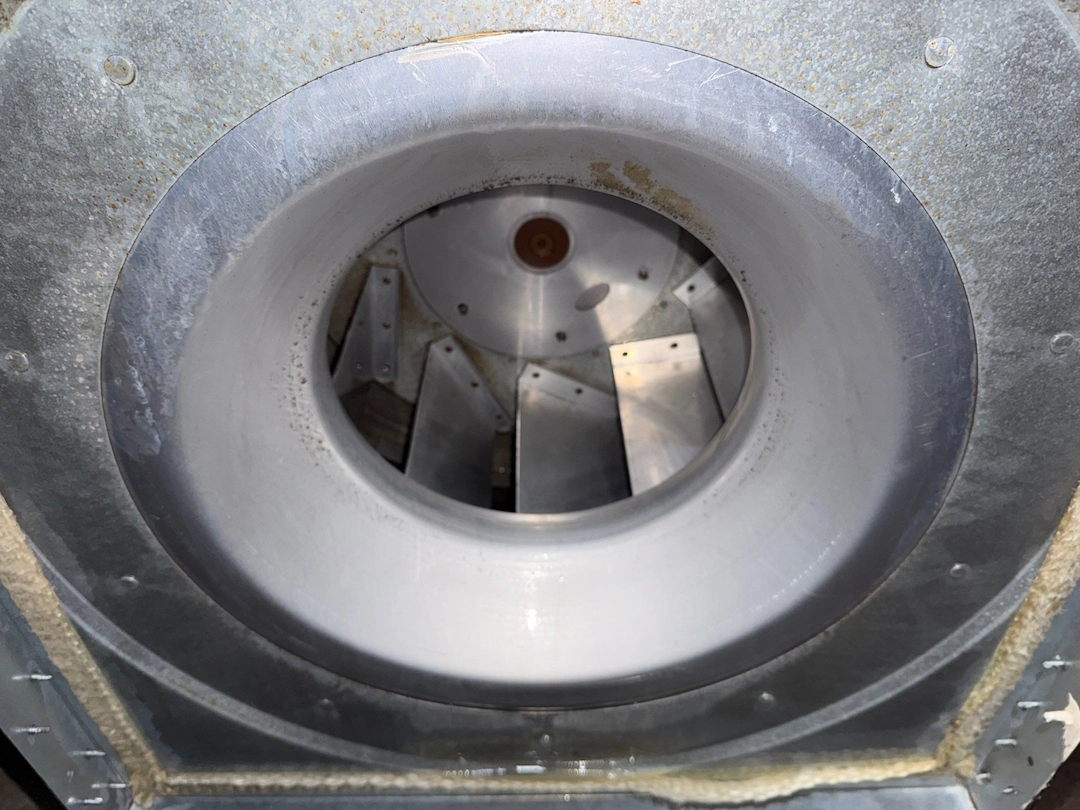
I have been in kitchens that had a fire because a duct was never cleaned. I have also been in kitchens that stopped a fire because their suppression system and clean exhaust worked together to contain it. The difference between those two outcomes is not luck. It is preparation. And preparation starts with understanding what commercial kitchen inspections are really measuring: the gap between your current practices and the bare metal standard that NFPA 96 demands.
If you take nothing else from this article, remember that grease buildup inside your ductwork is the single most preventable cause of kitchen fires. A regular kitchen exhaust cleaning schedule, combined with honest self-inspection, will keep your kitchen safe, your staff employed, and your customers happy. That is a goal worth working toward every day.